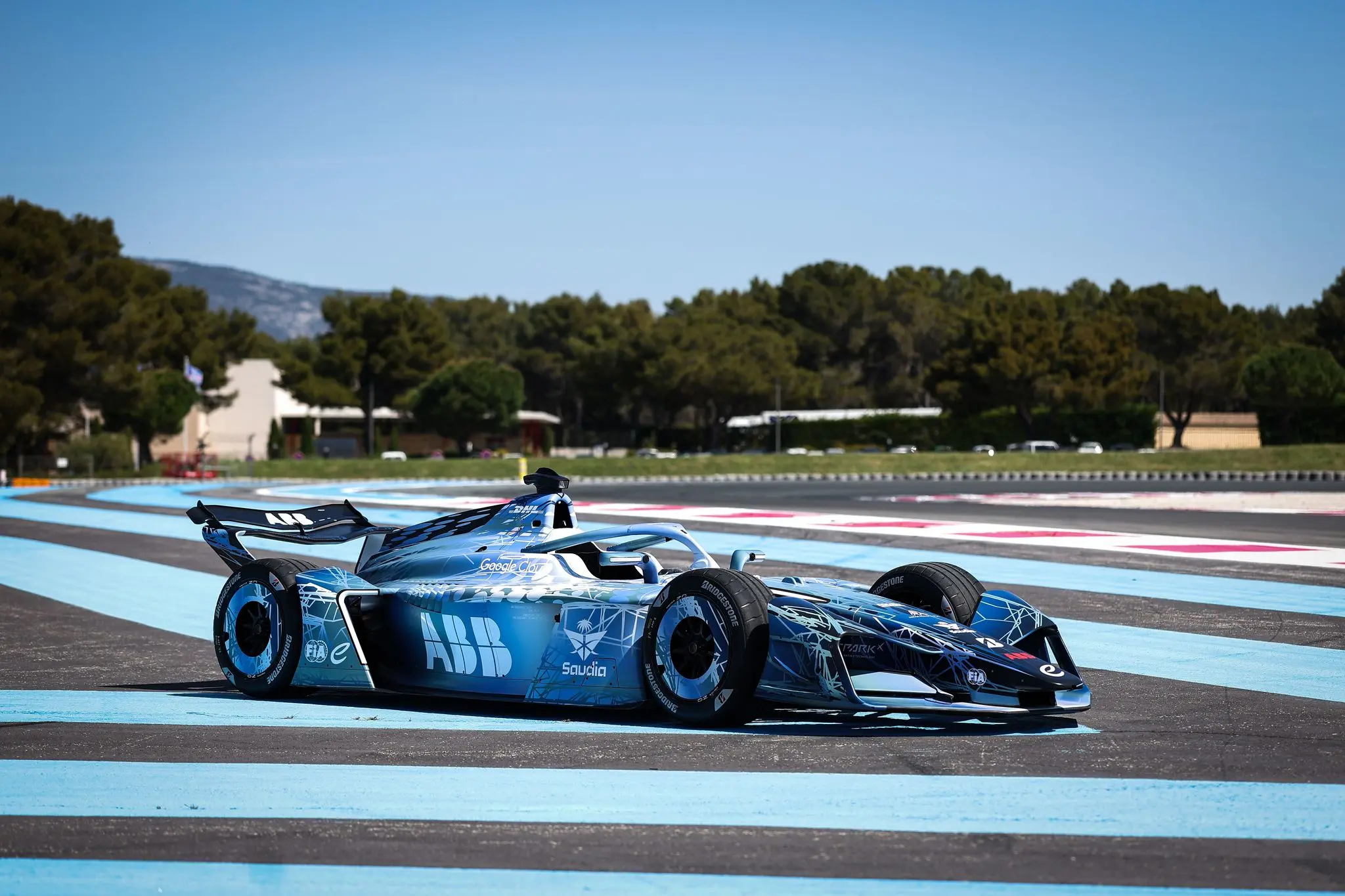
When the light turns green at pre-season testing and the cars finally hit the track for the first time, it’s natural to look straight at the timing screens to see who is fastest and make all sorts of presumptions about the season to come.
However, inside the garages, being quickest is rarely the main priority - especially when everyone is learning how to run a brand-new generation of race car!
Formula E Pre-Season Testing: Everything you need to know about GEN4 in Madrid
Back to basics
The minute that you get to pre-season testing you move from a state of operational readiness to race readiness. How do you manage two-car operations with a single PIT BOOST station? How do the engineers run through the various checklists, and how would they run two cars at the same time when you've got one tyre technician, one tyre engineer? Or how do you work with mission control back at home?
That's a really big thing for here - procedural sign-off. So, what happens in a Red Flag? What happens if you have a Safety Car? These are actually things that could happen during a test day here in pre-season testing, and again, it's just making sure you have those things sort of ready to go. And then if some of the things are like, "Okay, this wasn't working well and that was working well," you can still make tweaks before the first race of the season.
The operational excellence is still very important.
The importance of performance
Teams will definitely utilise the benefit of having two cars. You can test these items in a more scientific way because you've got two cars at your disposal. Even though the drivers are different, the fact that they're working from the same base means that you can still compare items across the cars and make sure you have a comprehensive pictures of what's working and what isn't.
There will be a lot of focus here on tyres and then all the control systems. And then for the drivers, it's just mileage, they haven't done enough driving yet with these cars and every circuit they go to is new, so again, that's important. You may start seeing some qualifying simulations as well. We're already doing the race exercises, but teams don't want to show their hand either in terms of strategy, so it'll be a little bit more vanilla. But little things matter.
Maybe at the end of the week on Friday, you may see teams even go to the detail of running the car off-track to pick up rubber to simulate what they would do at the end of the race, just to weigh the tyres to see how much pick up they can grab. It's really detailed stuff that teams will be looking to do and learn from.
What happens to the information gathered at testing?
The engineering teams in Formula E are small enough that it's not like an Formula One where it's a huge scale team. You're still talking about relatively small operational and engineering teams. A lot of them (the engineers) will be listening from home, reading all the reports, and virtually joining the meetings happening at track. In the experienced teams, it should run like clockwork, everybody has a pretty good sense of what they should be doing.
But for some of the new teams, it's a baptism of fire. Some of these mechanics and drivers haven't run a Formula E car before, so this championship in particular is a massively steep learning curve. The cars are super complicated, and without a doubt it's difficult.
Measuring success
Teams obviously come here with a plan for what they want to do, and if you've met your targets for the mileage and you've come close to completing your run plans: in terms of, "right, we came here to test these 10 things and out of those 10 things, we've got a clear read on seven of them" - then happy days, you've achieved what you wanted to do.
It's being clear with your objectives, what you want to do, and being able to achieve them. And if you can do that, it doesn't necessarily mean that you have to be top of the timesheets, it's more like, "right, these are the things we wanted to do, and we achieved them, and we could do it without any issue." That, for me, is a successful test.
Find live timings for pre-season testing here and follow our social channels for all the latest updates.
Find out more
GEN4: A new era of Formula E is about to begin
WATCH: How to watch every Formula E race in your country
CALENDAR: Here's every race set for the 2026/27 Formula E season
TICKETS: Secure your grandstand seats and buy Formula E race tickets